WHY GEN Z IS BUYING $400 IPOD CLASSICS TO ESCAPE SMARTPHONE NOTIFICATIONS AND RECLAIM THEIR ATTENTION.
ISSUE_0472026.02.15personALEX_V
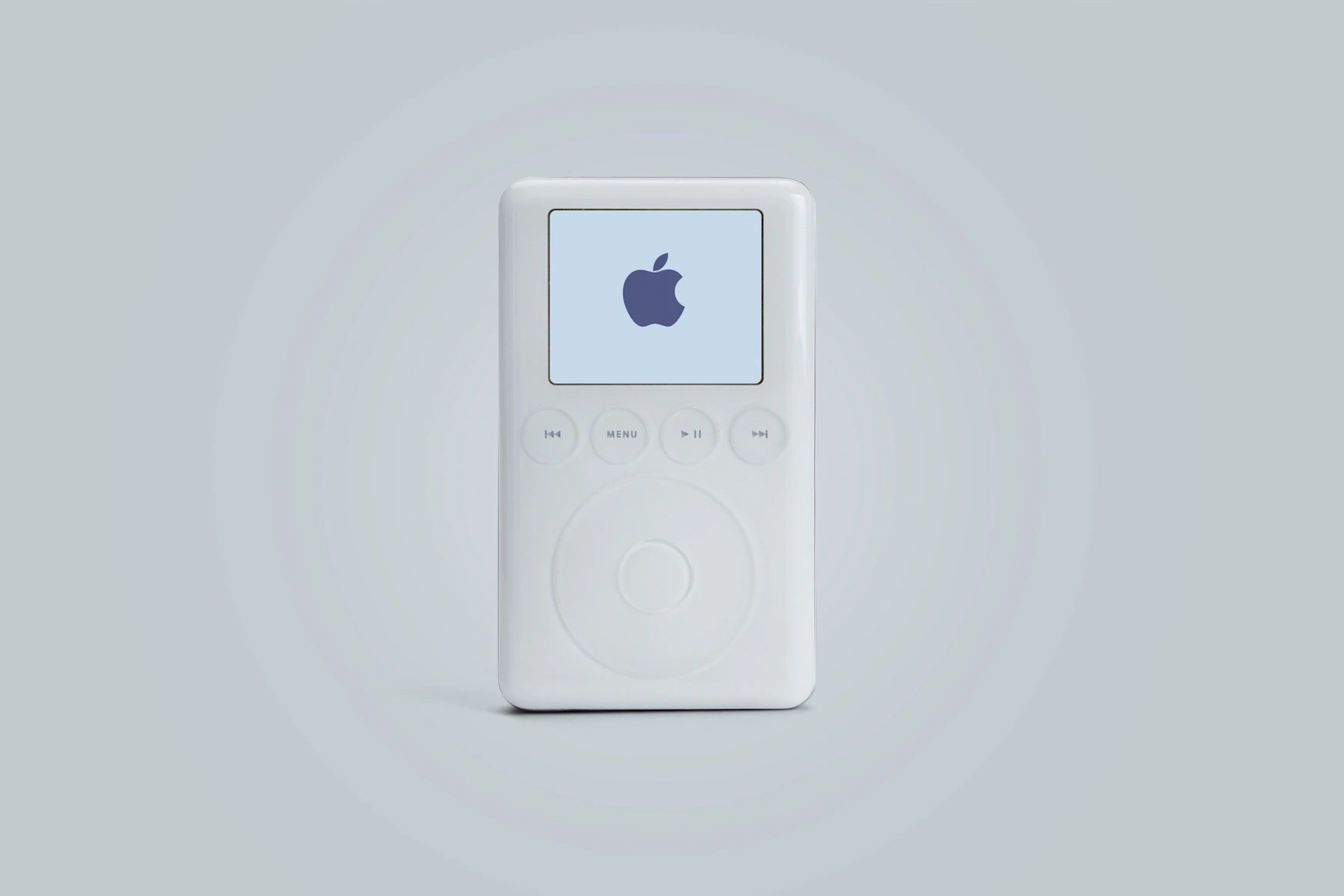
There's something happening in the used electronics market that the tech industry didn't predict. The iPod Classic, a device Apple discontinued in 2014, is now selling for $300-500 on eBay. Not as collector's items gathering dust on shelves, but as daily drivers for a generation that never owned one the first time around.
Gen Z discovered something that millennials forgot: the value of a device that does one thing well. No notifications. No infinite scroll. No algorithm deciding what you should listen to next. Just you, your music, and a tactile wheel that clicks.
The iPod modding community has exploded. Forums dedicated to replacing aging hard drives with solid-state storage, installing custom firmware like Rockbox, and swapping batteries have seen membership surge 400% since 2022. These aren't nostalgists—they're digital minimalists building the tools they need.
[HOVER_TO_DECODE]
//Fig 1.0 - Visual documentation of the analog resistance.
“
The click wheel isn't a step backwards—it's a deliberate rejection of the attention economy.
"I was spending four hours a day on my phone," says Maya Chen, 22, who runs an iPod restoration account on TikTok with 200k followers. "The iPod gave me my commute back. I listen to full albums now. I forgot what that felt like."
The phenomenon extends beyond iPods. Dedicated MP3 players from Sony and Fiio are seeing renewed interest. Even cassette Walkmans are being hunted down by those seeking the ultimate distraction-free listening experience.
Apple, for its part, seems uninterested in capitalizing on this trend. The company's focus remains on services and ecosystem lock-in—the very things driving users toward simpler devices. Perhaps that's the point.
The iPod renaissance isn't about going backwards. It's about going sideways—finding the path that consumer technology abandoned in its rush toward convergence. Sometimes the future looks a lot like 2007.