PHYSICAL MEDIA OUTSELLING DIGITAL FOR THE FIRST TIME SINCE THE 80S. THE NUMBERS DON'T LIE.
ISSUE_0452026.02.28personUNIT_88
The numbers are in, and they tell a story the music industry didn't expect to write. Vinyl records outsold CDs for the second consecutive year, but 2024 brought a bigger surprise: physical format revenue exceeded paid streaming subscriptions for the first time since 1988.
It's not that streaming is dying—it isn't. But vinyl sales have grown 25% year-over-year for the past decade. The format that the industry declared dead has become its most reliable growth sector.
Walk into any Urban Outfitters, Target, or Walmart and you'll find vinyl sections that would have seemed absurd in 2010. Taylor Swift's latest album ships in eight different colored variants. Niche reissue labels like Numero Group command cult followings.
[HOVER_TO_DECODE]
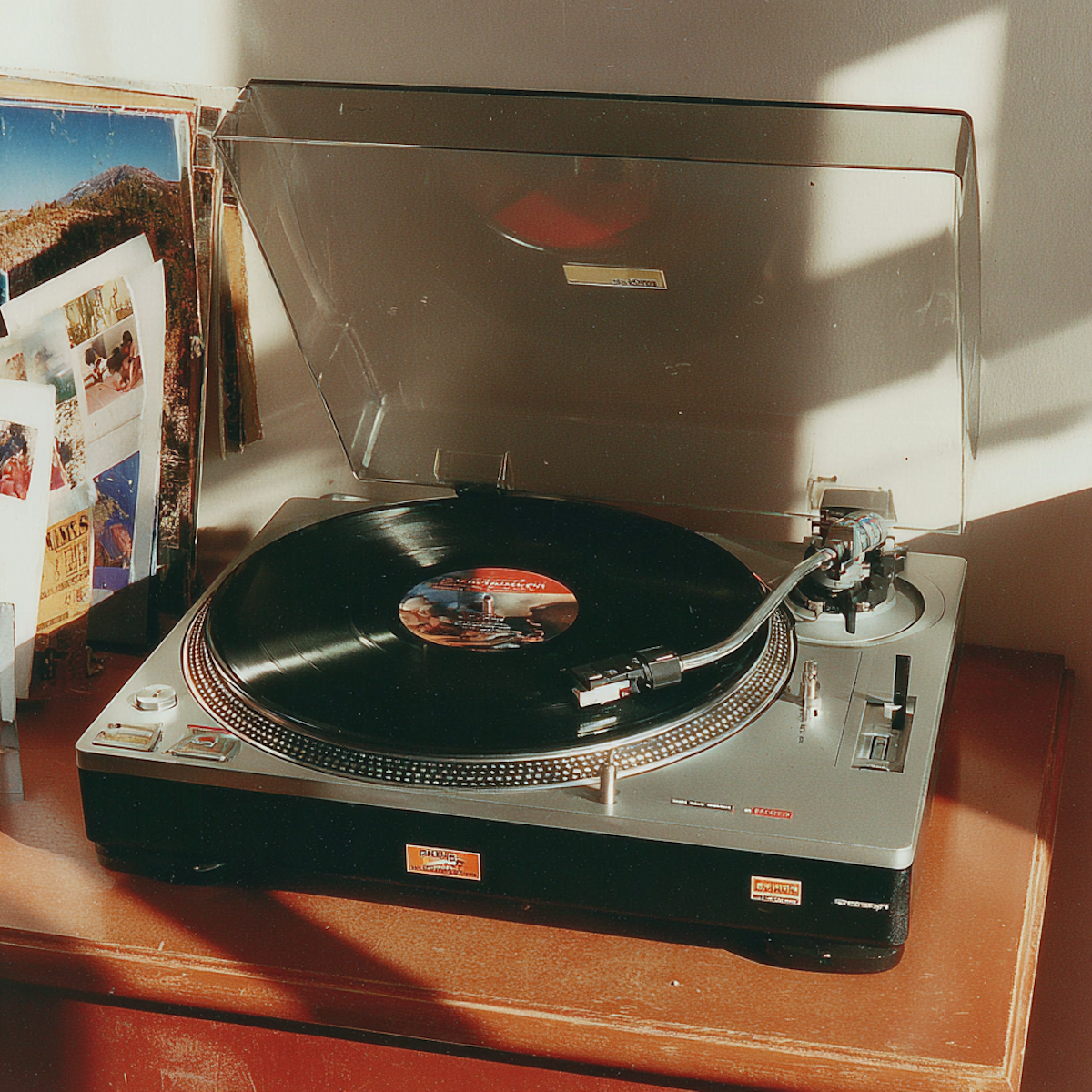
//Fig 1.0 - Visual documentation of the analog resistance.
“
Streaming gives you access. Vinyl gives you ownership.
The demographics split in interesting ways. Millennials buy vinyl for the ritual—the act of playing a record as an intentional choice. Gen Z buys for the artifact—the large-format artwork, the liner notes, the physical proof of taste.
"I can't display my Spotify library on a shelf," says record collector Emma Okonkwo, 20. "My vinyl collection is a statement. It's who I am, made physical."
The resurgence has revived pressing plants across the globe. New facilities have opened in Detroit, Toronto, and Melbourne. Wait times for independent artists, once stretching to eight months, have normalized to around twelve weeks.
Critics point out that most vinyl buyers never remove the shrink wrap—that these are decorative objects, not listening experiences. Perhaps. But the same criticism applies to art on walls, books on shelves, and any object that exists for more than pure utility. We surround ourselves with meaningful things. Vinyl is meaning made tangible.