THE CULT OF THE CLICK: WHY PAYING $300 FOR A KEYBOARD MAKES PERFECT SENSE.
ISSUE_0422026.02.15personSWITCH_HUNTER
The mechanical keyboard community has a problem: they can't stop buying keyboards. Forums are full of confessionals—users with five, ten, twenty boards, each serving some allegedly essential purpose. The hobby that starts with 'I just want something that feels better' often ends with a closet full of keycaps.
But beneath the consumerism lies a genuine movement toward tactile computing. The mushy membrane keyboards that ship with most computers are designed for cost efficiency, not human experience. Mechanical switches offer something different: feedback, consistency, and the satisfaction of physical engagement with your tools.
The market has responded to demand with overwhelming options. Cherry MX switches, once the only game in town, now compete with Gateron, Kailh, Durock, and dozens of boutique manufacturers. Linear, tactile, clicky—each switch type serves different preferences and use cases.
"I spend eight hours a day typing," explains software engineer and keyboard enthusiast Marcus Webb, 31. "Why wouldn't I optimize that experience? I spent more on my chair than my first car. The keyboard is no different."
[HOVER_TO_DECODE]
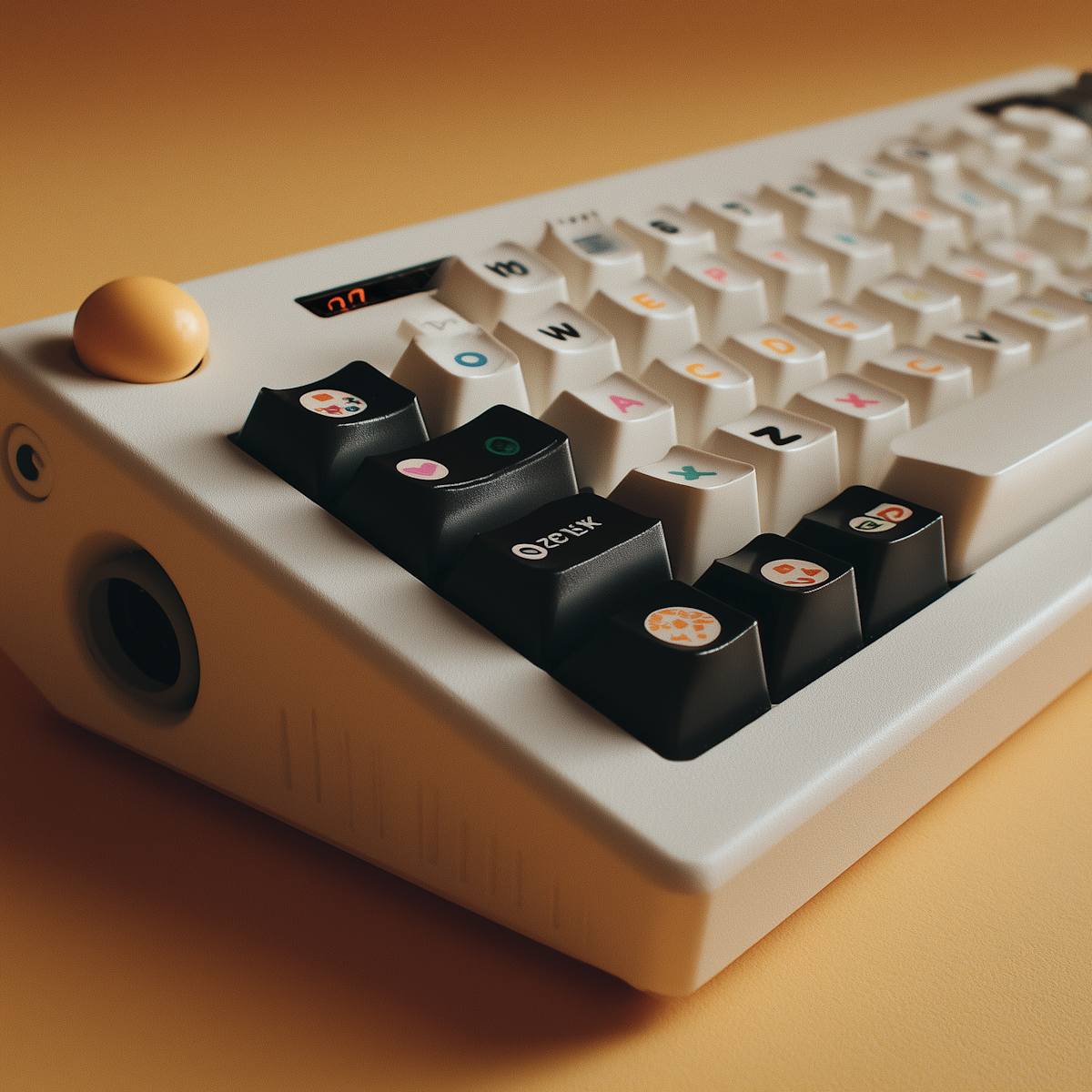
//Fig 1.0 - Visual documentation of the analog resistance.
“
A membrane keyboard is typing. A mechanical keyboard is an instrument.
Custom keyboards have become vehicles for self-expression. Artisan keycaps sell for hundreds of dollars. Group buys for limited-edition boards fill within minutes. The community has developed its own aesthetics, vocabularies, and rituals.
Sound is its own category. 'Thock' (the deep, satisfying sound of a well-tuned board) has become a design goal pursued with acoustic foam, plate materials, and switch modifications. YouTube videos of typing tests accumulate millions of views.
The broader implication is about how we relate to our tools. Modern tech design trends toward invisibility—devices that disappear into the background, interfaces that minimize friction. Mechanical keyboards push back, insisting that interaction should be felt, heard, and enjoyed.
Not everyone needs a custom keyboard. But everyone deserves to know they exist—that the tools we use daily could be better, could be more personal, could click just right.