WHY IMPERFECT PHOTOGRAPHY FEELS MORE REAL THAN A THOUSAND PERFECTLY FILTERED SHOTS.
ISSUE_0432026.02.30personPIXEL_GHOST
There are approximately 2.3 trillion photos taken every year. Almost all of them are digital. Almost all of them will never be printed. Almost all of them will eventually be lost to hard drive crashes, cloud service closures, and forgotten passwords.
Against this backdrop, instant film is experiencing a renaissance that defies economic logic. Polaroid, the company, went bankrupt twice before being revived. Now it can barely keep film in stock. Fujifilm's Instax line has become a cultural phenomenon, outselling traditional point-and-shoots in multiple markets.
The appeal isn't image quality—digital cameras are objectively superior. The appeal is constraint. One shot. No filter. No editing. What you see in sixty seconds is what you get forever.
[HOVER_TO_DECODE]
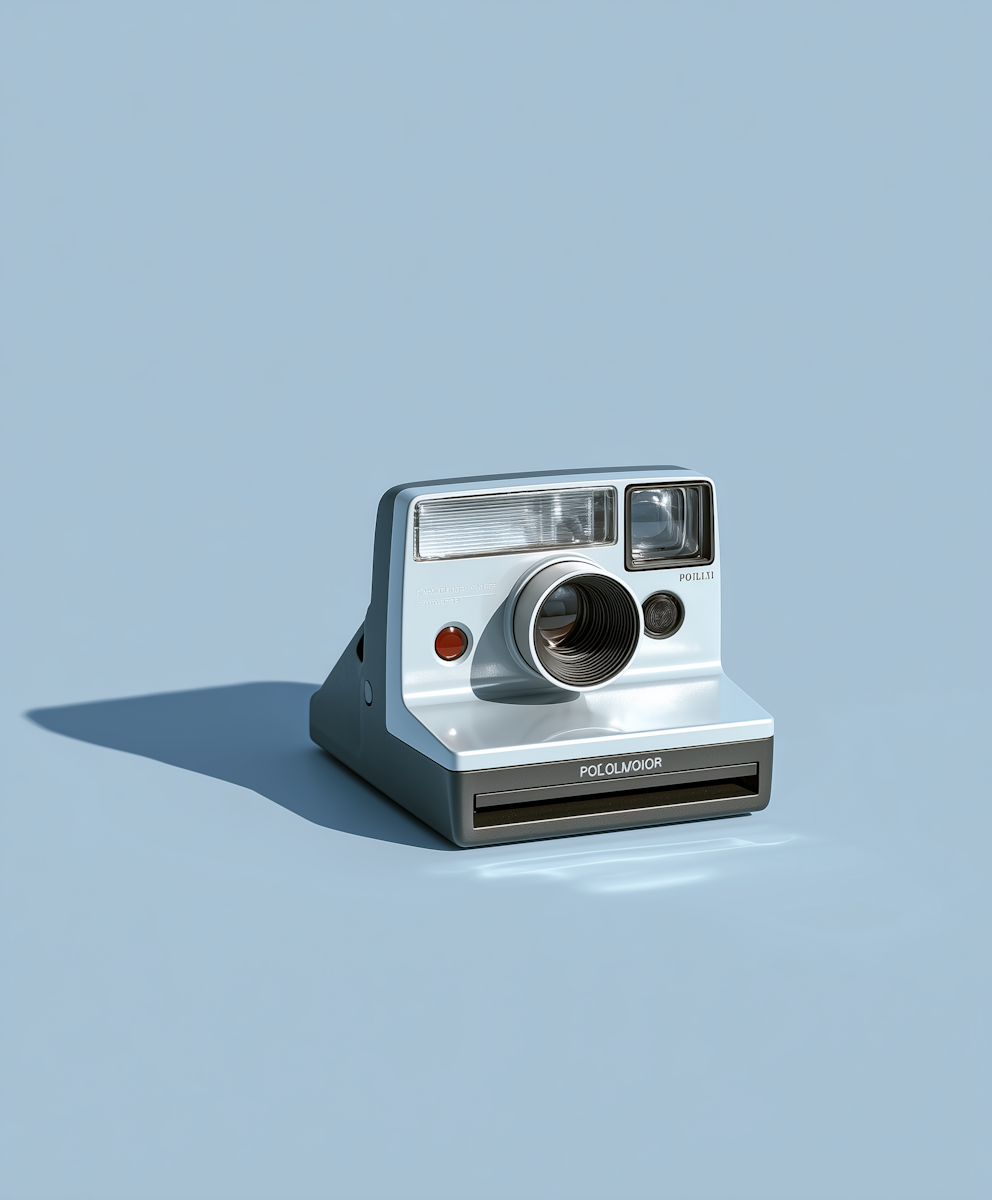
//Fig 1.0 - Visual documentation of the analog resistance.
“
Every Polaroid is a moment refusing to be optimized.
"I have 20,000 photos on my phone that I never look at," says photographer and Polaroid enthusiast Rio Martinez, 24. "I have 200 Polaroids in a shoebox that I look at all the time. Which collection matters more?"
The cost is part of the value proposition, oddly enough. At $1-2 per shot, instant film forces intentionality. You don't snap a dozen times and pick the best. You compose, you wait, you commit.
Critics call it hipster affectation, and they're not entirely wrong. There's certainly performative nostalgia at play. But there's also something deeper—a rejection of photography as infinite documentation in favor of photography as rare artifact.
The Polaroid sitting on your desk isn't backed up anywhere. It can't be duplicated. It exists exactly once, in exactly one place. In an age of infinite reproduction, that uniqueness feels almost sacred.